By Pilar Padilla
Director, Marketing & Communications
June 26, 2026
At Para Los Niños, our commitment to whole-child care means showing up for every child—exactly as they are. During Pride Month, we reaffirm that commitment by highlighting voices across our organization working to make children and families feel seen, safe, and supported. This month, we’re sharing three stories that show how solidarity can grow through storytelling.
Dr. Sharon “Sherry” Berg is a licensed clinical psychologist who has been with Para Los Niños for more than a decade. She serves as PLN’s Director of Clinical Development, supporting our infant and early childhood mental health services and leading a robust clinical training program that prepares future mental health professionals. In addition to this role, which already carries a tremendous amount of responsibility, she facilitates support groups for families of transgender and gender-diverse children through a Los Angeles-based organization dedicated to providing a supportive environment for children, adolescents, and their families to explore issues of gender identity.
 “The number one issue for kids who come out or the one saving grace is whether they have a primary caregiver, adult or parent who is supportive of them,” Sherry says as she reflects on advice for parents who are just beginning their journey of learning how to support their child.
“The first act is just to hear your child, hold space for them and reserve negating anything they’re telling you. Just hear them out,” she continued. “Sometimes parents want to deny what they’re hearing by saying kids are being influenced by social media or the latest trends, but if you look at the current environment for queer and trans people today, you will see that it’s not a choice. By the time they come to the point of disclosing their identity with you, they have been thinking about it for a long time and there’s already been a lot of soul-searching. The best response is simply, ‘I love you. I appreciate you telling me this. I know it’s deeply personal. I’d like to get more educated on this so I can be a support for you.’ Regardless of where you are on the spectrum of acceptance, you know for certain that you love your child.”
In 2026 alone, there have been 63 anti-trans bills passed across 18 states, impacting transgender individuals’ access and sense of safety in education, employment, healthcare, and more. A 2024 peer-reviewed study in Nature Human Behavior found that transgender and non-binary young people between the ages of 13-17 were 7–72% more likely to attempt suicide in states that enacted state-level anti-transgender laws than in states that did not. Transgender and non-binary youth are only experiencing more hardship in 2026, but having a supportive caregiver could quite literally save their lives. They are already experiencing harmful rhetoric in the news, on social media and when they go out into the world; home should not have to be another source of angst and rejection.
When parents are ready to become more educated on how they can support their child, Dr. Berg doesn’t recommend a random Google search. Parents should also avoid asking their children to educate them. Instead, she recommends seeking out professionals and other parents who have experienced this before. That’s the power of the support groups she leads. “Hearing other people’s stories is helpful. Sometimes you relate and sometimes you don’t, but it validates your feelings and some of the fears that come up, ‘What does this mean for my child? What does this mean for me?’ It helps to process this ambiguous grief you might be feeling. Your child is still here, but there is sometimes a feeling of loss for who you thought they were and your dreams for who you thought they would be. Parenting is a selfless act; you have to put your child first.”
Dr. Berg also recommends seeking out books and media telling stories that could help parents relate to their child’s experience, including NatGeo’s documentary Gender Revolution: A Journey with Katie Couric, FX’s drama series Pose, or resource books curated by TransFamily Support Services.
There are a number of resources from reputable organizations that specialize in supporting families going through this process. If you or someone you know could use a recommendation, please reach out, and PLN staff will be happy to point you in the right direction.
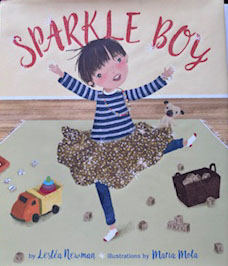
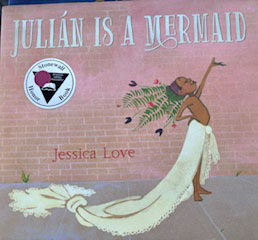
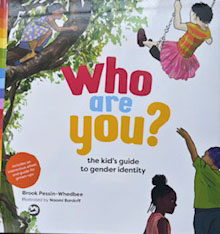
Inclusive Book Recommendations for Families: